
“Actually my job is NOT to be creative….
“…I manage reputation risk for my clients. So I’m not sure how a ‘Creative Ladder’ is going to help me…”
Oh shit.
Not the words I wanted to hear halfway through a discovery interview.
I’d been hired to develop a bespoke Creative Ladder and rollout programme for an agency that wanted to make their practise of ‘creative excellence’ more repeatable and scalable across the business. But as I spoke to more people, I kept hearing the same thing: creativity wasn’t just misunderstood — the word was actively putting people off.
So I did what I usually do when a bit stuck: stop looking forward and start looking back.
Reading the company’s early documents — the stuff written when the business was founded — was a slide listing the company's three founding values with a single word winking up at me:
Inventiveness.
I think I laughed out loud.
When we talked about a “Creative” Ladder, people heard disruption, risk, blowing things up. But when we talked about “inventiveness”, they heard something different: practical ingenuity, solving problems, managing complexity. Same capability. Different word. Completely different reaction.
One of my favourite definitions of an insight is that it’s something might you already know, but have forgotten. And sometimes a company’s own history can offer exactly that - a reminder of who it was, which helps solve who it can be today.
It's what Jonathan Mildenhall did when making the leap from agency to client at Coca-Cola. Spending his first few weeks in the company’s advertising archives he discovered that the brand had, at key moments in its past, taken a stand on significant cultural issues — including one of the earliest interracial ads in America. That aha moment became the foundation for what became the hugely profitable and award-winning Open Happiness platform.
It’s also what the Cadbury and VCCP did when they realised, from 1905 recipes for the flagship Dairy Milk brand, that back then the Cadbury family chose to put an extra half glass of milk in their chocolate vs competitors. That small forgotten detail evolved into one of the the most successful brand platforms in recent years — built entirely around ‘Generosity’. There’s a lovely example of that brought to life from VCCP below.
Three things for me to remember when I re-read this in the future:
1. Jump at any chance to apply your existing knowledge in unfamiliar domains. (Like developing a Creative Ladder for reputation advisory firm). It’s uncomfortable, sometimes painful — but it's the only way to pressure-test what you know.
2. Creativity is a loaded word. If it's getting in the way, bin it. Inventiveness, ingenuity, entrepreneurial thinking, problem-solving, managing complexity — these all describe creativity with a different label that might be more helpful. Don’t be precious about the ‘C’ word. Find the word that opens the door rather than closes it.
3. The people who started the business knew something worth remembering. The answer to today's challenge is sometimes sitting quietly in yesterday's founding story. Go into the archive. Read the old decks. Look back to look forward.
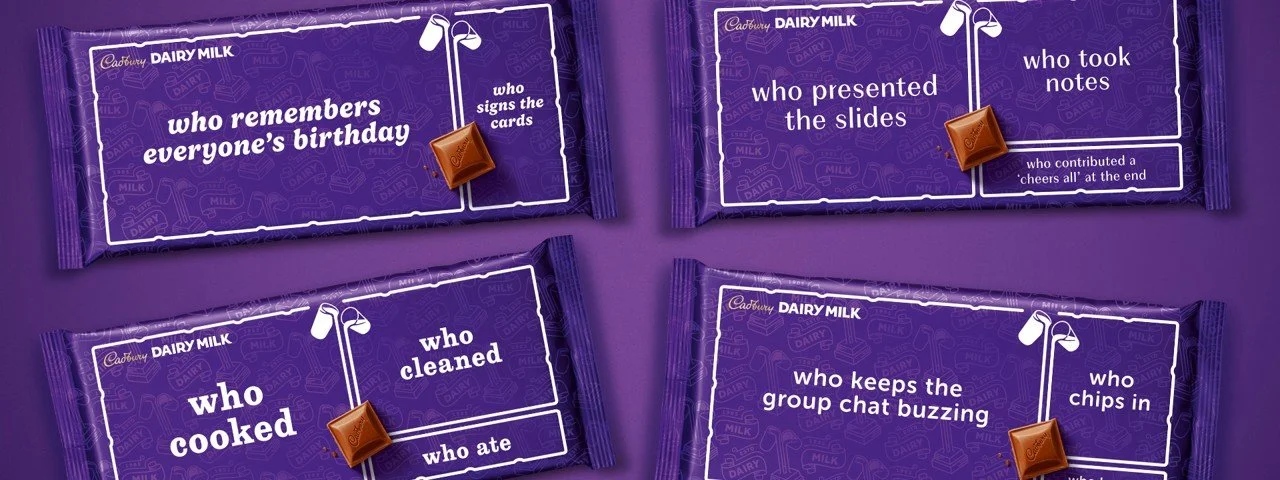
Cadbury’s Made to Share, 2026
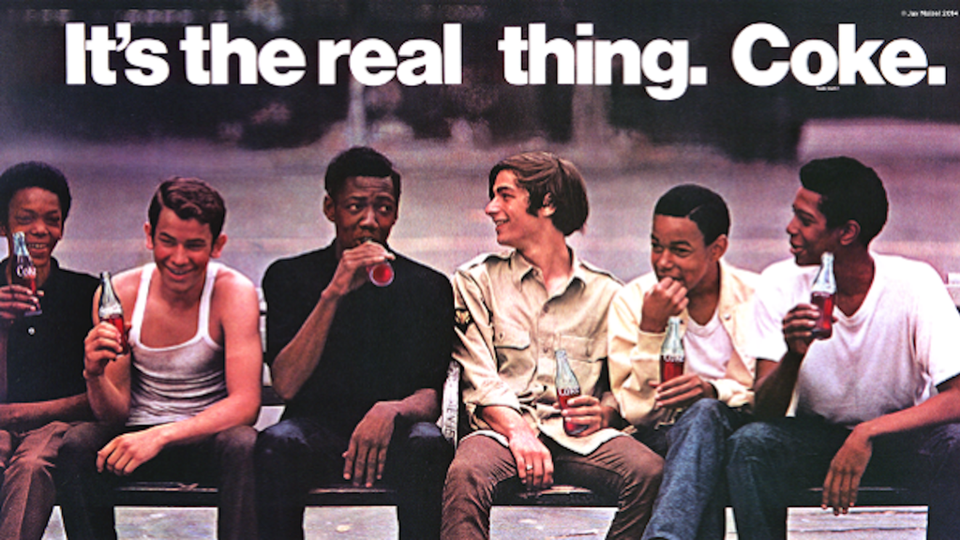
Coke ad from 1969: a year in the USA when simply showing black and white kids sharing a bench together was controversial